
Introduction
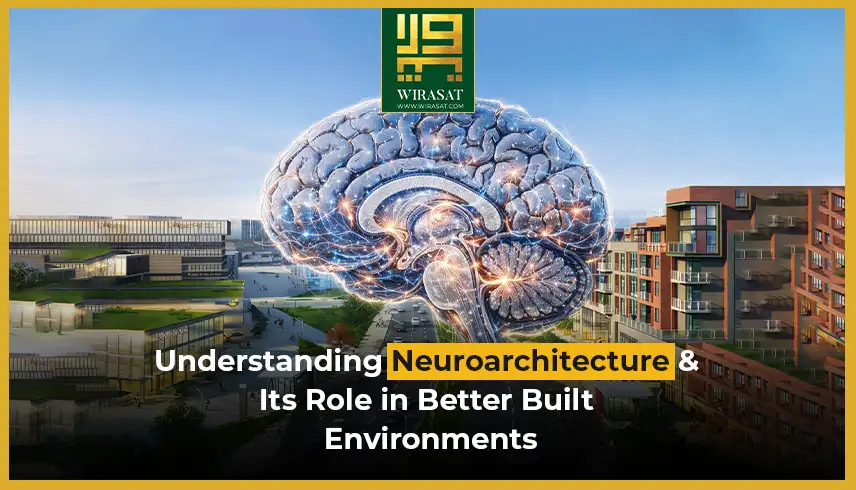
Neuroarchitecture connects architecture to human behaviour, thoughts and feelings. It combines neuroscience and architecture to build healthier spaces. Cities are expanding, and designers are now thinking more about psychological responses. This change implies that neuroarchitecture has a greater influence on planning decisions.
It also enhances clarity of mind, emotional stability, comfort, concentration and contentness. Consequently, spaces are friendly and informative. Designers are more human than pure aesthetics, and human-centered architecture is becoming popular all over the world.
What Is Neuroarchitecture and Why Is It Important Now?
Neuroarchitecture looks at the impact of the environment on the brain. It is concerned with perception, memory and emotions. Architects apply this knowledge to construct environments that encourage mental health. The design based on the brain minimises stress and anxiety and enhances engagement and innovation.
The connection of architecture to psychology directly will turn buildings into active contributors to wellness. Designers use research rather than assumptions and develop environments that are responsive and human.
Architecture and Human Psychology in Buildings
There is a strong connection between architecture and human psychology. Emotions and decisions are constantly affected by spaces. As an example, lighting influences alertness and mood, whereas spatial proportions influence comfort and security.
Consequently, space design psychology is essential. Designers put into consideration the motion patterns and interactions, and a careful layout cuts down the confusion and mental exhaustion. The buildings, in turn, become friendly and functional and enhance the results of mental well-being.
Architecture Influences Daily Human Behaviour
Behaviour patterns are guide-posts steered by design decisions. Open spaces promote socialisation; closed areas are conducive to concentration and solitude. Those can be quantified in terms of paths, colours, and materials, which direct movement. There is a visual connection which enhances the orientation and confidence of people, providing them with a sense of control. Designers are now designing environments that actually encourage good habits.
Key Features of Neuroarchitecture
Effect of Design on Mood and Productivity
Workspaces have a significant impact on performance and motivation. The correct lighting enhances focus, the physical layout facilitates physical discomfort, and visual openness promotes teamwork. Noise-free areas allow great concentration. As a result, staff always do their work well. In workplaces, neuroarchitecture improves satisfaction and efficiency, and companies invest in brain-based design to achieve quantifiable returns.
Design a positive impact on Mental Health
The mental-health-friendly design must be planned. Circadian rhythms and mood are stabilized by natural light. Plants reduce stress levels, and biophilic components are the priority. The use of calm colours, supports emotional stability and cognitive overload is kept down by acoustic comfort. Citizens feel calm and harmonious, which leads to long-term psychological well-being. Designers incorporate more and more wellness principles into each project.
Psychology of Space Design Modern Living
Space psychology influences everyday life. Homes have an impact on relaxation and family life, and there is a balance of privacy and openness, which the designers consider. Emotional comfort is enhanced by functional zoning, whereas well-being is supported by sensory balance. The outcome is the development of healthy living environments. Families enjoy emotional balance in environments.
Modern Homes and Lifestyle
The changing needs and lifestyles are expressed through modern homes. Neuroarchitecture promotes versatility and comfort with natural materials that add warmth. Light during the day elevates mood, and silent areas stimulate rest and contemplation. The homes are just restorative and safe as per human-oriented design principles. Households have a clearer and happier state of mind.
Neuroarchitecture Interior Design
Neuroarchitecture focuses on the sense in interior design. Designers incorporate textures, colours, and lighting to develop harmony and tranquillity. Natural movement is supported by furniture placement, and the proportions make the image comfortable. Consequently, interiors minimise mental exhaustion, improving residential and commercial areas. Functionality and emotional responses are given priority.
Built Mental Connection
The physical surroundings and mental health cannot be separated. Poor design is a major cause of urban stress. Neuroarchitecture addresses density and noise, green spaces, mental relief, and clear wayfinding, which reduce anxiety. Cities are made livable, and designers desire emotionally intelligent spaces. It is a significant change that enhances the quality of life.
Architecture Public Space
Public buildings are converted into neuroarchitecture. Hospitals have the benefit of relaxing design and color; schools have the advantage of maximized environments; culture venues enhance interest and recall. Public architecture satisfies emotional needs, and designers take into account various user experiences. Community spaces are therefore interactive and accommodating.
Workspaces and Business Architecture Neuro
Neuroarchitecture leads to organisational success. Adjustable designs suit different working styles, and natural design lessens burnout and teamwork is enhanced through collaborative areas. Silent spaces enhance concentration and innovativeness. The happiness of employees increases and organizations consider architecture as a strategic resource. The strategy supports productivity and retention over the long term.
Human-Centred Architectural Design
The human-centred design is human-based. Designers observe the needs and behaviour of the users so that the spaces are responsive. The priorities are in accessibility and comfort, and emotional safety influences all decisions. Neuroarchitecture helps buildings to be inclusive and adaptive. The philosophy creates spaces that really benefit occupants.
Future of the Brain-based Architecture
Brain-based architecture is rapidly evolving. Technology allows a more in-depth analysis of behavior, whereas data-based insights improve strategies. Sustainability is a compromise between ecology and psychology. Designers work together across fields to form the new generation of spaces.
Conclusion
Neuroarchitecture is changing the everyday perception of space and connecting design with emotional and cognitive requirements. Architecture becomes a wellness instrument, providing obvious advantages in homes to workplaces. Mental health can be improved through mindful design, which glorifies human values.