
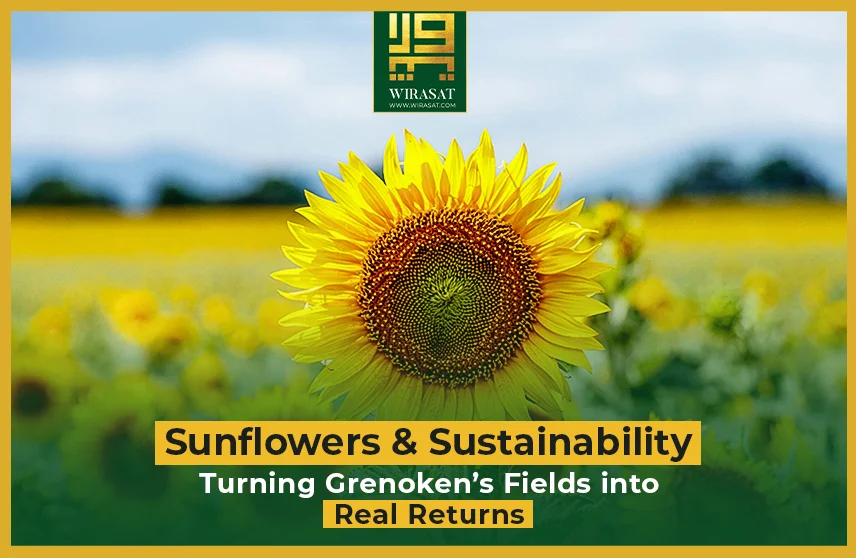
Sunflowers & Sustainability: Turning Grenoken’s Fields into Real Returns
In agritourism and sustainable real estate, the smallest seeds often plant the biggest ideas. At Grenoken Farms by Wirasat.com, our early sunflower beds weren’t just pretty, they were a business model in bloom: resilient cropping, farm experiences people love, and a direct path from field to cart.
Sunflowers don’t only brighten a valley, they work for soils, for pollinators, and for your balance sheet.
Why Sunflowers And Why Now?
Pakistan’s health-conscious households are steadily moving from generic blends toward traceable, cold-pressed oils. Sunflowers fit that shift beautifully because they are adaptable, drought-tolerant after establishment, and ideal for managed farmland that earns before heavy infrastructure. They also play well with rotations, leaving useful biomass behind for compost and feed.
The result? A plot that isn’t waiting on possession, it’s producing.
Fall Planting: Nature’s Head Start and an Investor’s Lesson
Gardeners often treat fall as downtime. In reality, sowing sunflowers 2–4 weeks before first frost lets seeds settle, sometimes lightly germinate, then rest through winter. Come spring warmth, they break dormancy earlier, push deeper roots, and hit the season running with earlier blooms and sturdier stalks. This mirrors long-view investing and sets foundations early, then lets time compound results.
Fall timing also lets nature do the cold-stratification reducing the need for indoor treatments and improving germination. Plus, those early spring flowers greet early pollinators, supporting local biodiversity right when it matters. In milder winters, this approach is especially effective in colder zones, the seed simply waits for soil temps to rise.
Key agronomy takeaways:
Earlier spring growth leads to earlier harvest windows.
Deeper root systems result in better drought tolerance and stronger flower heads.
Soil structure improves and early canopy can help suppress weeds.
Grenoken’s Revenue Model: From Field to Cart
1) Agritourism Experiences
Before a bottle ships, the field itself earns. Photo passes in agri-fields, field weekend stays, sunset walks, school tours, and hands-on oil-press demos turn visitors into early customers. Your crop becomes content (short reels, time-lapses, bloom calendars) and community.
2) Primary Products
- Cold-Pressed Sunflower Oil (250ml / 500ml / 1L)
- Roasted Snack Seeds (protein-rich, travel-friendly pouches)
- Garden Seed Packs for home growers
Earlier blooms can give a market timing edge for floristry or gifting bundles, oil, seeds and recipe cards.
3) By-Products That Pay
Sunflower by-products turn one field into many industries such as, cold-pressed cooking oil, roasted seeds, and personal care like sunblock, handwash, shampoo, and soap and it is traceable to Grenoken Farmhouses.
4) E-Commerce
E-commerce turns organic food and crops into predictable, high-margin revenue by selling direct-to-consumer on Mr.BeanX with clear product pages, value bundles, and subscriptions that lock in repeat orders. Seasonal limited harvest drops on marketplaces build urgency and accelerate sell-through, while corporate gifting (Ramadan/Eid boxes) lifts average order value with prepaid volumes. Farm-tour traffic is converted online via QR coupons tied to email/SMS remarketing, creating a durable customer file. Together, these channels transform Grenoken’s organic outputs, such as cold-pressed sunflower oil, roasted seeds, and culinary herbs into a scalable, brand-led profit engine.
Snapshot at Grenoken
We’ve laid the groundwork that keeps unit economics balanced with the installation of solar panels, water boring (TDS ~700) completed, and internal roads to support visitor flow and harvest logistics. Next rotations extend beyond sunflowers to chamomile, rosemary, oregano, basil and all high-margin and e-commerce-friendly herbs for bundles and chef boxes.
(Operations are seasonal and we keep visitors and buyers updated on the site.)
Simple Planting Notes
- Sow ~2–4 weeks before first frost because in colder areas seeds may stay dormant and sprout in spring.
- Full sun, well-drained soil and loosen 12–18″ for the taproot, then plant ~1 inch deep.
- Why this matters to buyers: Sturdier plants means consistent heads, better harvest windows, and more reliable product runs.
Who Benefits from Sunflowers?
- Investors seeking productive, managed land with diversified cashflows
- Families who value nature breaks and traceable food
- Chefs/Brands wanting consistent local supply with a story customers love
Ready to See It?
- Book a Site Visit to walk the beds and see packaging flow
- Join the Sunflower List for pre-orders and seasonal boxes
- Talk to Our Team about plot paths (MMM/WMM) and e-commerce onboarding
Frequently Asked Questions (FAQs)
Where winters are mild to moderate, fall-sown sunflowers establish earlier and bloom sooner; in colder zones they simply wait for spring soil temps and then surge.
Start with cold-pressed oil and roasted seeds. Add seed packs for gardeners and bring in honey if/when apiaries align with bloom cycles.
Visitors become your highest-trust buyers. On-site buyers connect the field experience to the cart.